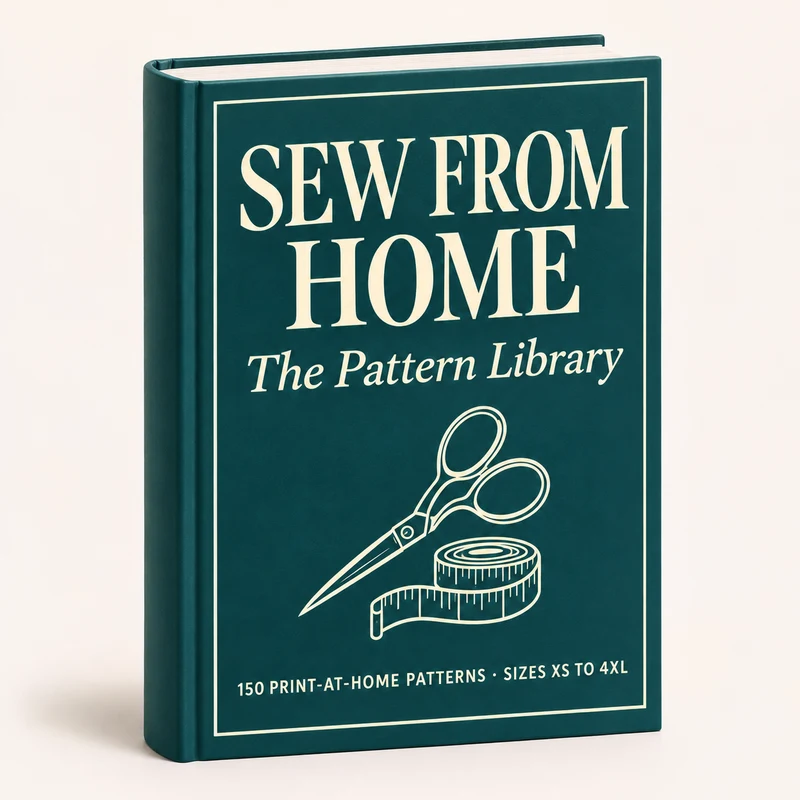
One library for the machine you already own: 150 print-at-home sewing patterns in sizes XS to 4XL, on regular Letter paper at home, with plain-English steps, plus 60 small makes and a pricing sheet, so you can sew something this weekend to wear, gift or sell for a little extra income.

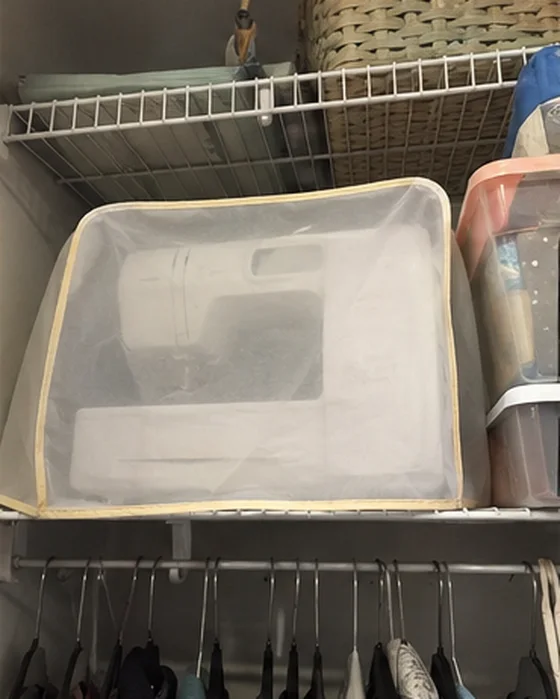
“I feel frustrated and overwhelmed, so my machine is collecting dust.”
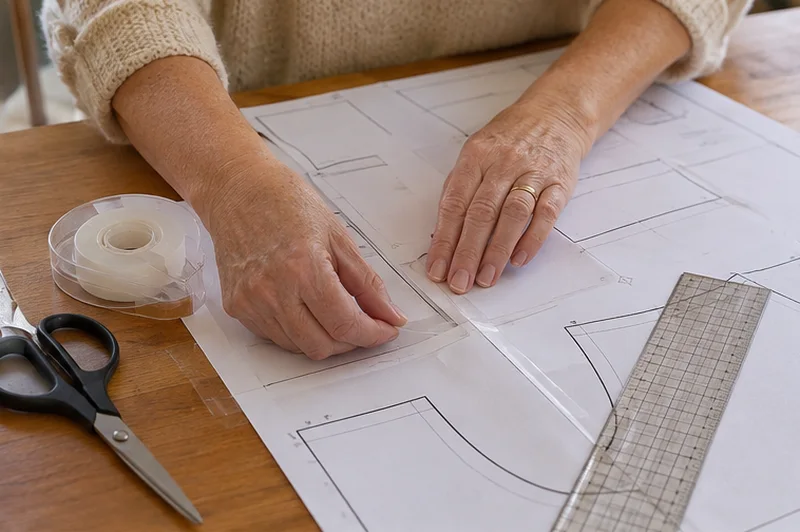
“I have limited sewing time and don’t want to waste hours taping rather than sewing.”
A single PDF sewing pattern usually runs about $10 to $20, and a popular pattern membership lists at $21 every month. Buy 150 patterns one at a time and you're past $1,500. Here it's $27, once, and they stay yours.
“Anyone can put a pattern out there but not everyone can write clear easy instructions.”
A home sewist · in a pattern review
Prices: sewists on PDF pattern prices online and a published US pattern membership price, November 2026. Estimates; prices vary by designer.
You didn't stop sewing because you lost interest. You stopped because every project starts with two hours of searching, and by the time you find a pattern, the afternoon is gone. Now the gift list is growing and the fairs are coming up.
Enough weekends to sew the gifts you'd otherwise buy, and a few extra for the people who ask where you got them.
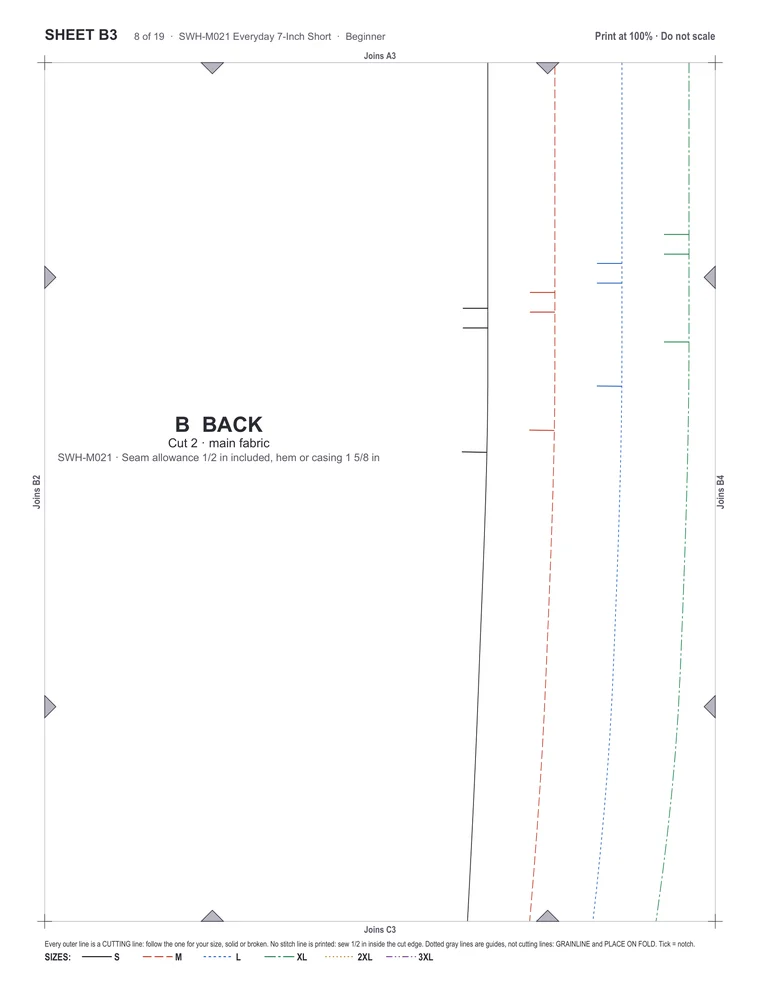
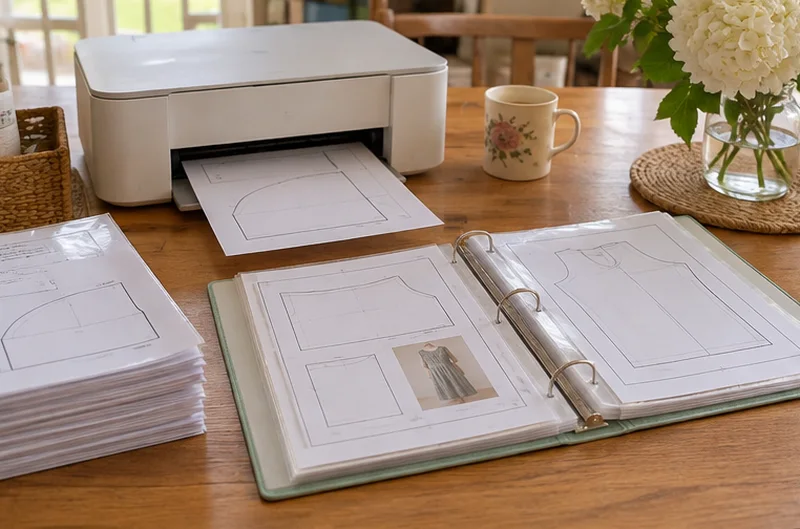
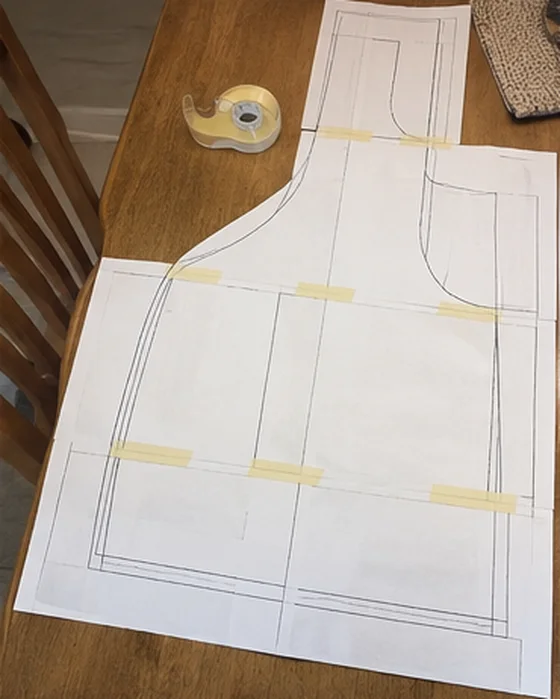
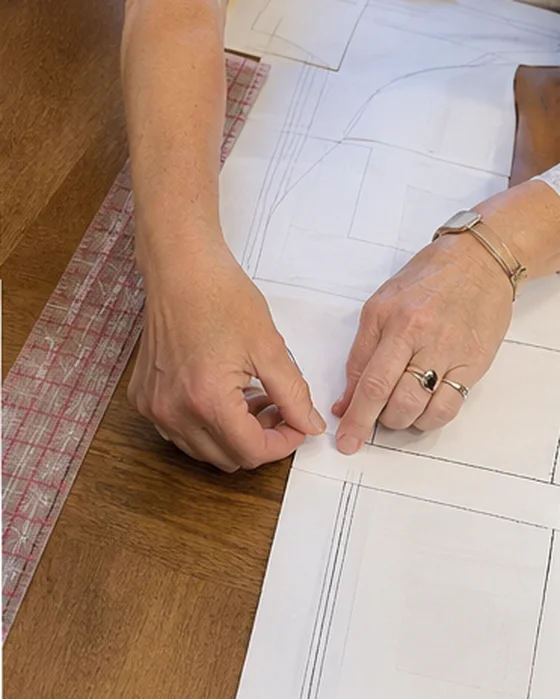
Every pattern prints on regular Letter paper at home. Each file starts with a test square you measure before you print the rest, and every sheet is numbered with marks that show you what lines up. No plotter and no copy shop.
All sizes come in the same file, XS to 4XL for women and S to 3XL for men. You measure yourself, match the chart and follow your line. Store sizes never come into it.
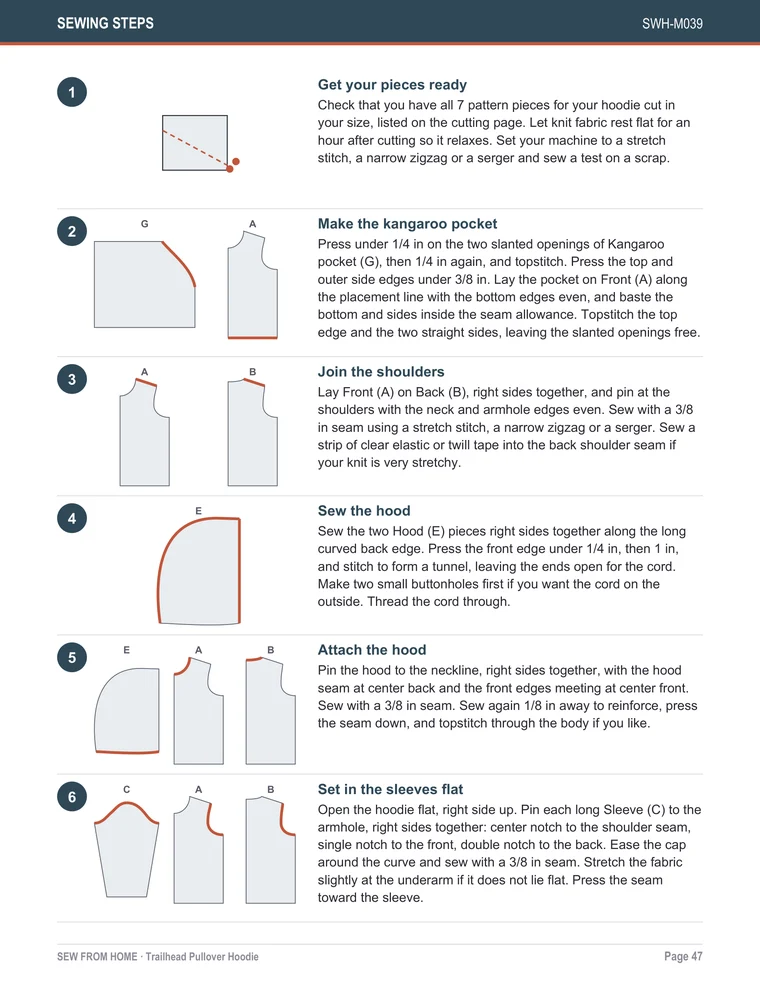
Numbered steps with a simple drawing for each garment, written for someone who hasn't touched the machine in a while. Beginner, Easy or Intermediate is marked on every pattern, so you always know what you're starting.
Wear it, gift it or sell it. The Pricing Sheet walks you through fabric, time and fees, so a tote that took you an hour never goes for less than it cost. You keep the money, we never ask for a cut.
Open the Pattern Finder on your phone, pick by picture, and go straight to the file. No more folders, screenshots and saved pins.
📐 All sizes · 🖨️ Letter paper · ✅ Test square · 🗺️ Sheet map · 🧾 Fabric and yardage · 📖 Numbered steps · ✂️ Cutting layout
For youPick the fabric, the length and the size that matches your tape measure. No more buying something close enough and hoping.
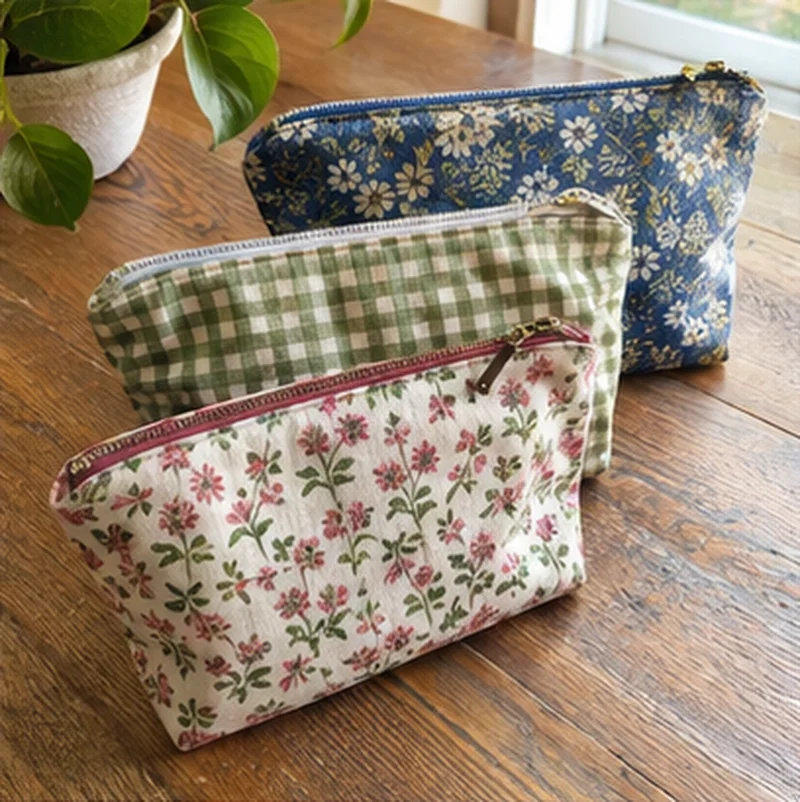
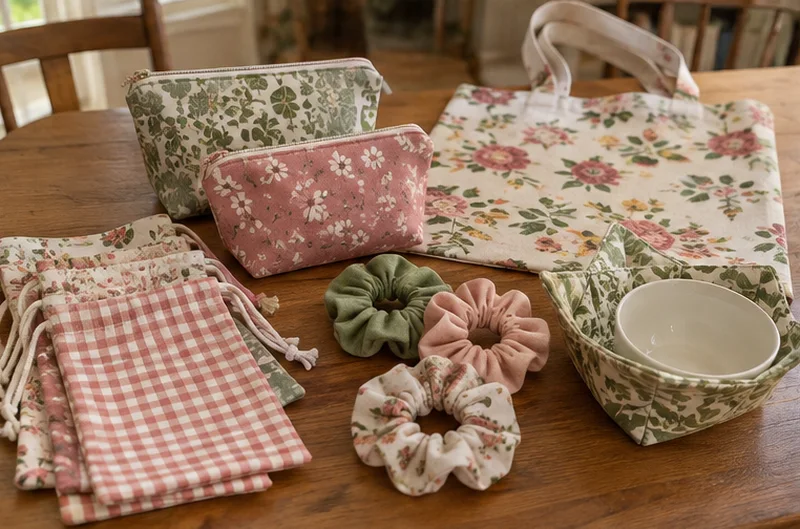
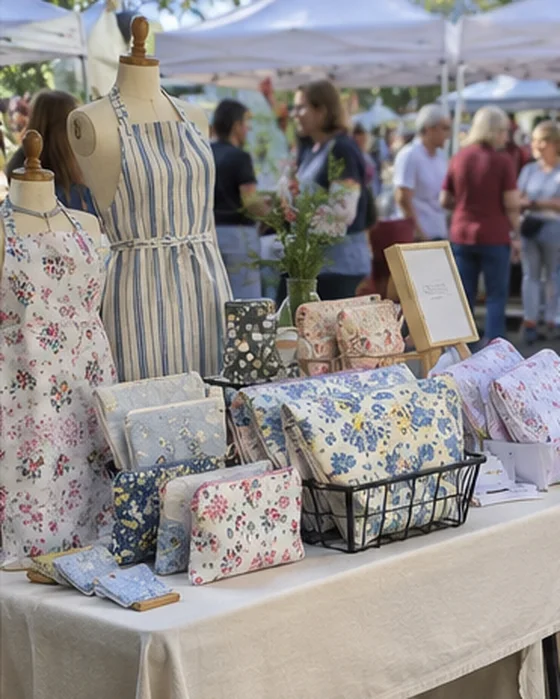
For extra incomeTotes, pouches, aprons and gifts that sew up in an afternoon. Start with the 60 Small Makes, show them to people who know you, and see what they ask for.
Open the library, print a pattern and cut your first piece. If it isn't for you, send one email within 7 days and we'll refund you in full. No forms, no hard feelings.
They were exactly where you are, with a machine and no idea what to make first.
Sharon ›
Carol ›
Marcy ›
Illustrative conversations based on what home sewists share online. Individual results vary.
One evening. Run the Sew-Again Starter to get your machine stitching again, then open the Pattern Finder and choose something marked Beginner.
Five minutes with a tape measure and the Size Chart. Print the test square, measure it, print the rest and line the sheets up with the map. About $15 of fabric is plenty for your first piece.
Follow the numbered steps, one at a time. Most Beginner pieces fit in an afternoon, and your first one is allowed to take longer.
Take one good photo. If you'd like to sell, fill in the Pricing Sheet and show it to people who already know you. Then pick the next one.
That's it. One week, one finished piece, and your machine is out of the closet for good.
Every one of these is a pattern inside. Same print guide, same pricing sheet.
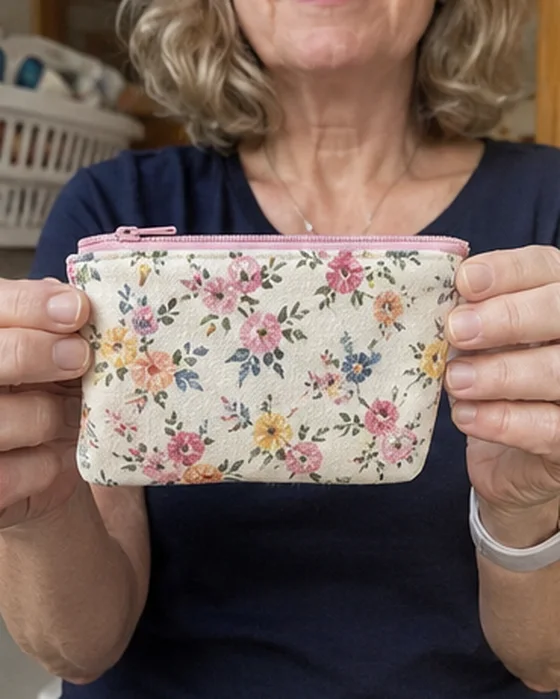
Zipper pouchesSells for $12–25
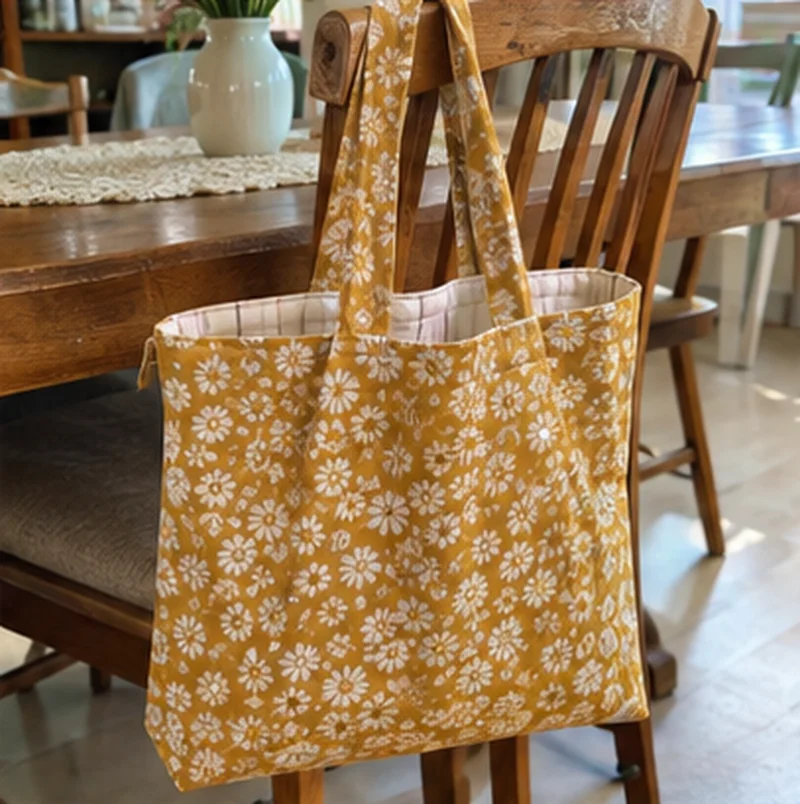
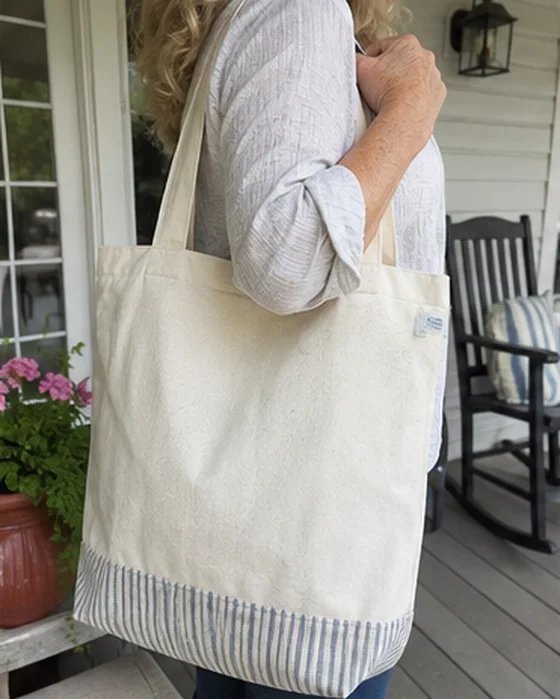
Lined tote bagsSells for $18–30
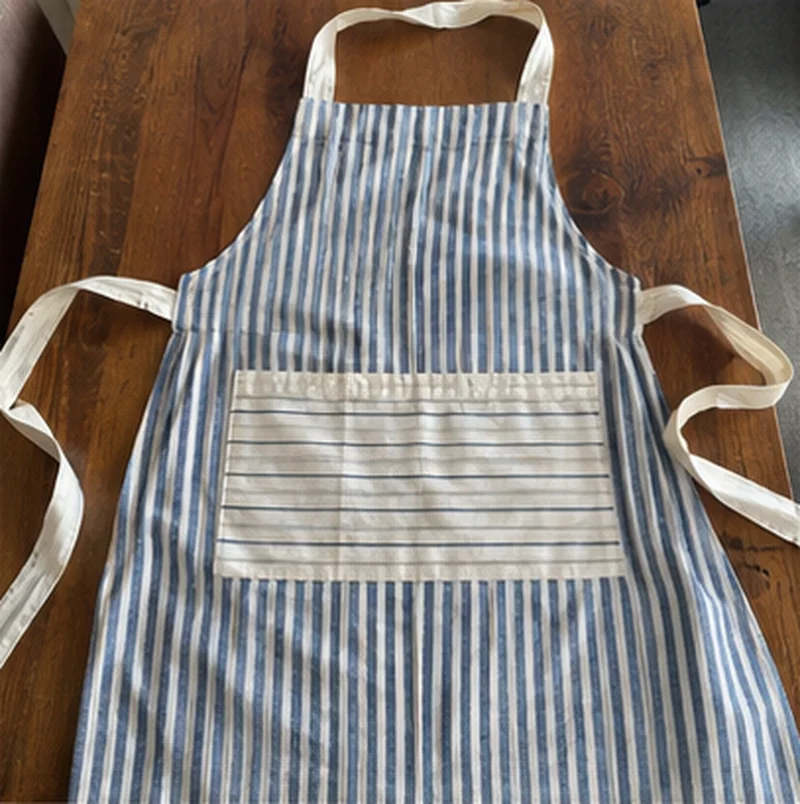
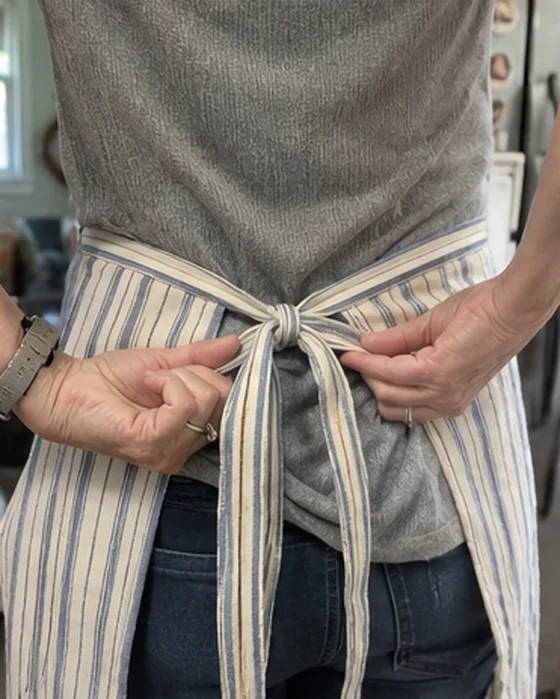
Kitchen apronsSells for $25–45
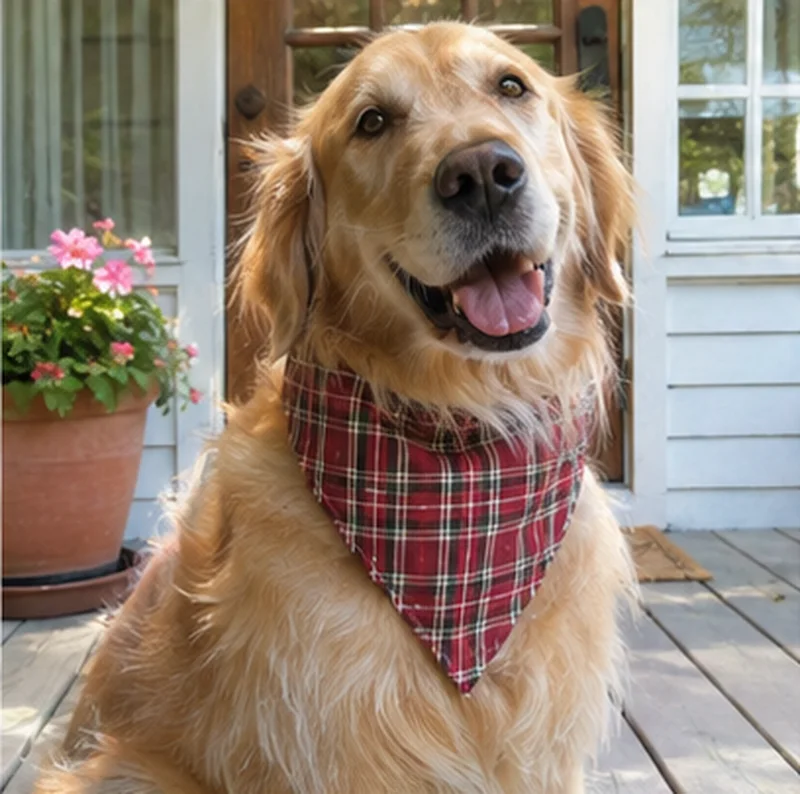
Pet bandanasSells for $10–20
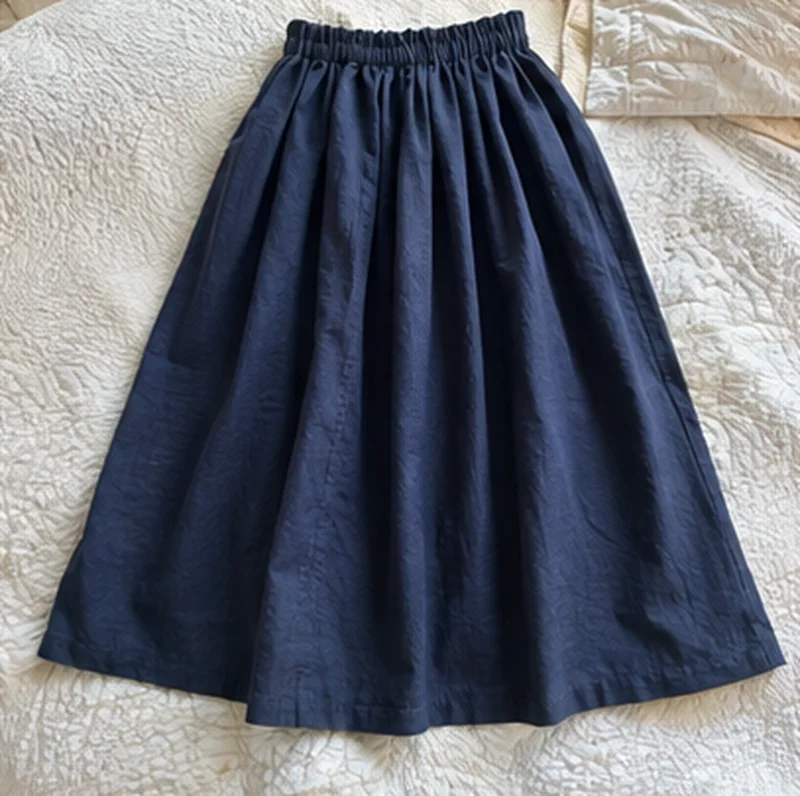
Elastic-waist skirtsSells for $35–70
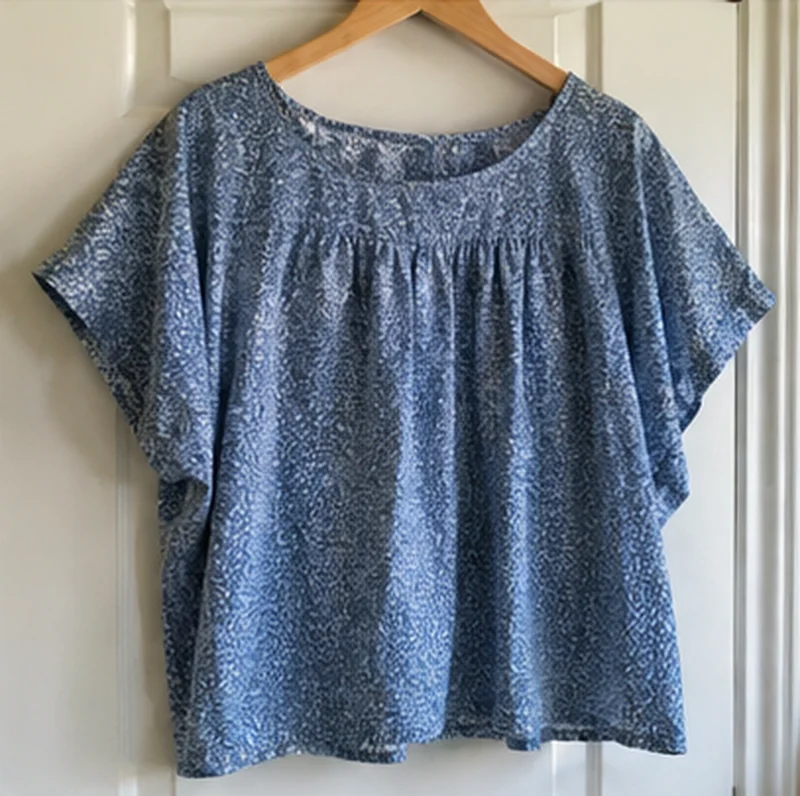
Simple everyday topsSells for $45–90Example asking ranges for handmade items, estimates based on listings and our own pricing math, November 2026. Not a promise of what you will sell or earn. Your prices depend on your fabric, time and area.
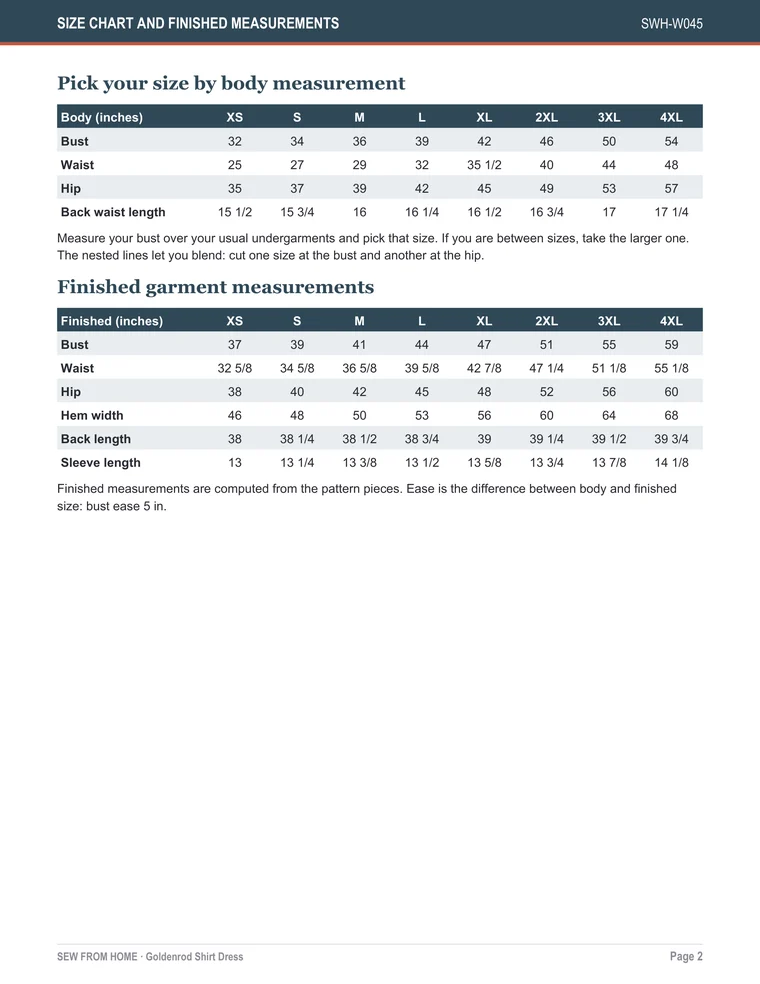
These are real pages from the library: a numbered sheet that shows what it joins, the size chart, and the steps drawn out. Long straight strips, like ties and bands, come with exact measurements so you don't print extra paper.
From the first stitch back on your machine to the first piece someone pays you for.
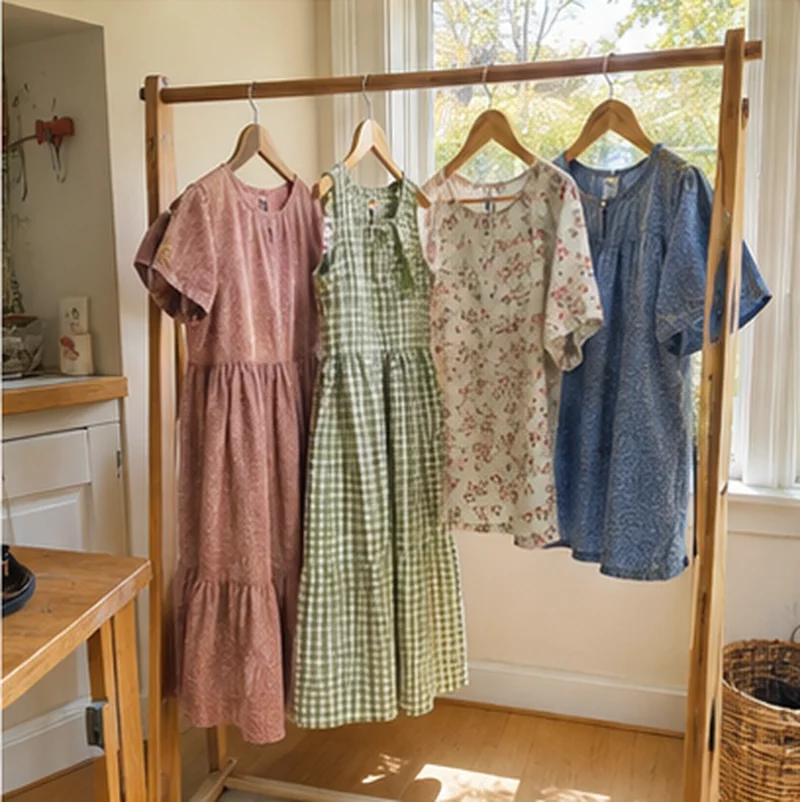
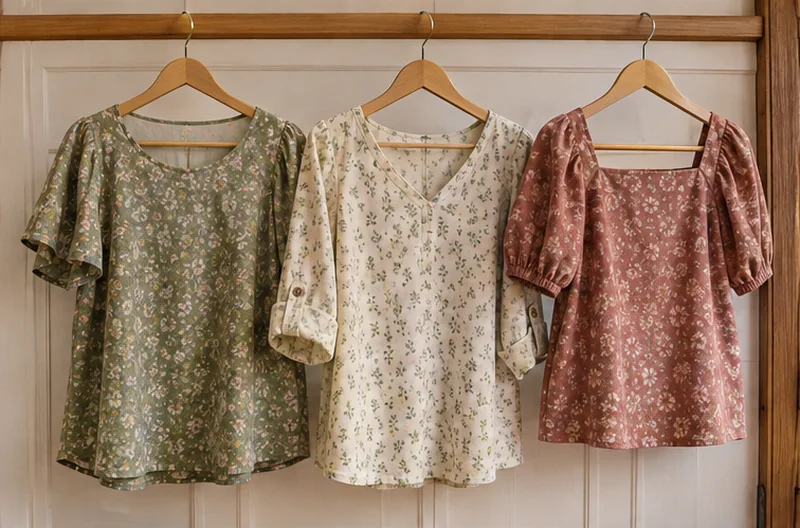
Tops, shirts, dresses, skirts, pants, shorts, lounge sets and layers. Each file holds every size, the fabric and yardage, the cutting layout and numbered steps. Start with anything marked Beginner and move up when you're ready.

Why patterns come out too small, and how to stop it: print the test square at 100%, measure it, then follow the sheet map. Five minutes with a tape measure tells you which line is yours.

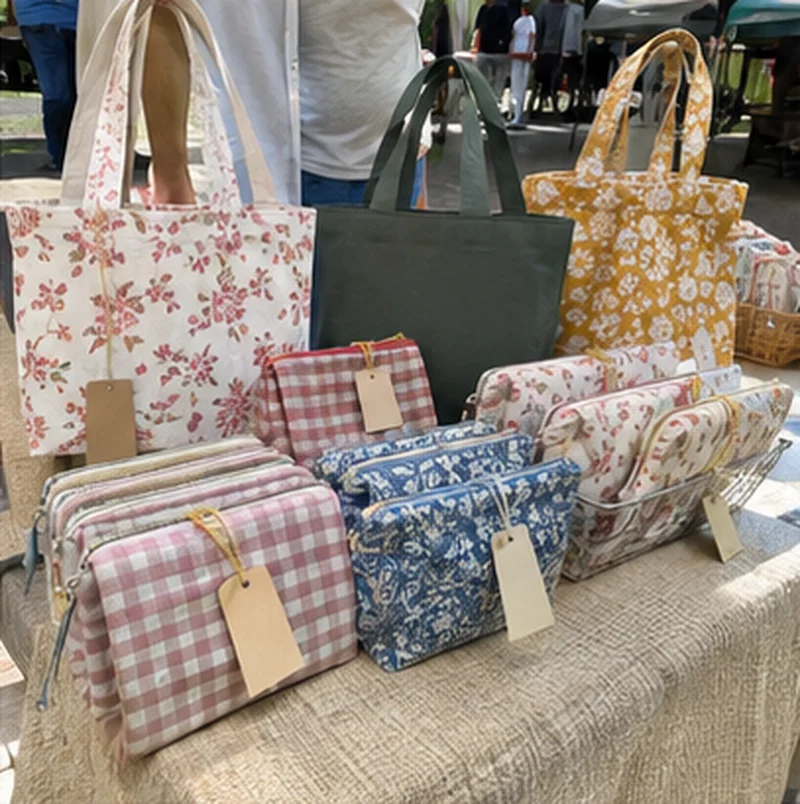
Zipper pouches, market totes, aprons, pet bandanas, scrunchies, gift bags, bowl cozies and pillow covers, with finished sizes and a cutting layout. Quick to sew, no fitting needed, and a good use for that scrap bin.

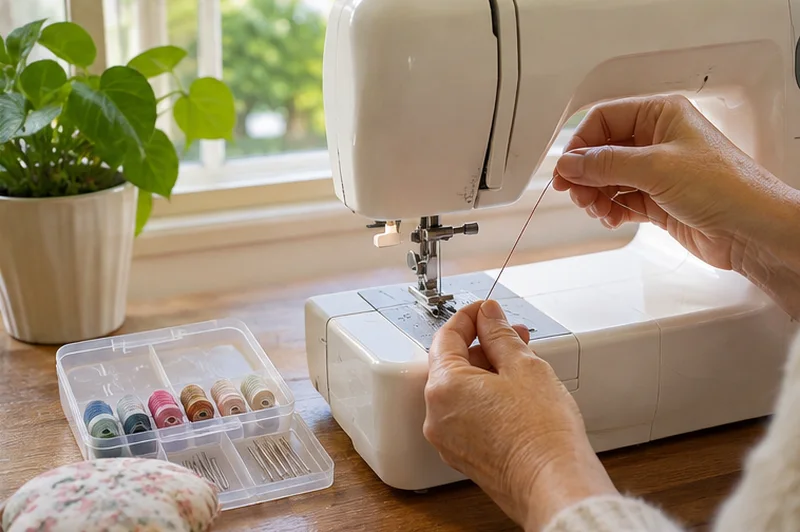
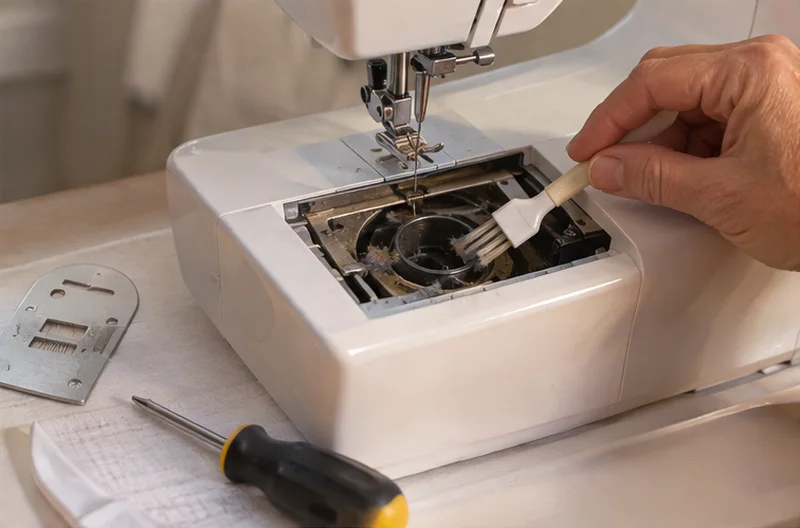
For anyone whose machine has been in the closet. Threading, tension, the right needle, what fabric to buy, and the handful of seams every pattern uses. You'll be back up and sewing in one evening.

Shorten a hem, change a neckline, add a sleeve, take in a waist. One pattern you love turns into a whole closet, and you'll know how to adjust the fit to your own body.

From your measurements to a simple pattern of your own, and how every line on a pattern works. Plus the 15 problems that stop a machine, from thread nests to skipped stitches, and how to fix them at home.

What sewing looks like before and after you stop searching.

“Instructions were comprehensive, pattern was easy to assemble and follow. Apron turned out great!”
Home sewist · on her apron
“My first time ever making a pouch like this, or sewing a zipper.”
Home sewist · on her first pouch
“Great pattern easy to follow really happy with how my bag turned out”
Home sewist · on a tote bag
“I have limited sewing time and don’t want to waste hours taping rather than sewing.”
Home sewist · on PDF patterns
“at some point the lines stop matching up part way through on some of the pages.”
Sewing blogger · on printing patterns
“I feel frustrated and overwhelmed, so my machine is collecting dust”
Beginner sewist · on her machine
“People aren’t deal shopping on Etsy; they’re shopping for uniqueness.”
Pattern seller · in a local newspaper interviewReal words from home sewists online, not from buyers of this library. Results vary.
No. This is a digital library: you get instant access to every pattern and guide the moment you pay. Nothing is shipped. You print what you want, when you want it. Fabric and supplies aren't included.
Yes. The Sew-Again Starter gets you and your machine going again in an evening, and every pattern is marked Beginner, Easy or Intermediate. Start with a Beginner piece. Your first one takes the longest.
There are, and that's where the afternoon goes. Different sizes, different printing, instructions that stop halfway, and a folder you can never find again. Here all 150 work the same way and live in one place.
Any home printer that takes Letter paper will do. Each file starts with a test square. Print that page at 100%, measure it, and if it's right, print the rest. The sheet map shows where every page goes.
It depends on the garment. Most garments run about 15 to 35 Letter sheets, and small makes far fewer. Each file tells you the exact number before you print, you can print just your size, and you only print the pattern you're making.
Women's patterns run XS to 4XL and men's run S to 3XL, all in the same file. The chart gives the bust, waist and hip for each size in inches, so you choose by your measurements, not by what you wear in stores.
You pick by your own measurements, and each file gives the finished garment measurements too, so you can compare before you cut. Every body is different, so for anything fitted, baste it or try it in cheap fabric first. One Pattern, Ten Looks shows the common fit changes.
Yes. What you sew from these patterns is yours to wear, gift or sell, with nothing owed to us. What you can't do is share or resell the pattern files. Clothing you sell has to carry a simple label with fiber content, care and origin, and the Pricing Sheet explains it.
No, and that's on purpose. Items sold for children have extra federal safety rules, so this library sticks to adults and home goods.
We can't promise any amount. It depends on your hours, your prices and who you sell to. The Pricing Sheet shows you how to work out a fair price for each piece, and many people start with a few small makes for friends. Results are not guaranteed.
A working sewing machine, a home printer, Letter paper, tape, scissors and a tape measure. About $15 of fabric covers a first piece. The Sew-Again Starter tells you what to buy.
You can browse and read everything on your phone, tablet or computer. To make a pattern you print it, from any device connected to your printer.
No. It's a library of PDF patterns and guides with drawings, so you can follow along right next to your machine and go at your own pace.
That's the point. The time goes on searching, not sewing. Open the Pattern Finder, pick one, print it. Small makes take less than an hour once you've sewn one, and you decide how much you do.
This isn't one you have to join. No stock to buy, no recruiting, no monthly fee. If you never sell a thing, you still have 150 patterns and a machine you're using again.
Yes. Checkout is secure, access arrives by email the moment you pay, and you're covered for 7 days.
Your purchase is covered for 7 days. Open the library, print a pattern, and if it isn't for you, send us one email and we'll refund you in full.